
Technical
Details:
Issue Date: 07 August 2014
Designer: Mihai Vamasescu
Process: Offset
Colours: 4 Colours
Size: 72 x 33, 124 x 90 mm
Values: 3.10 Lei, 6 Lei, 9.10 Lei
About Romania in the UNESCO Intangible
Cultural Heritage
The Intangible Cultural Heritage includes oral traditions and
expressions, having the language as its main vector, performing arts, social
practices, rituals and festive events, knowledge and practices concerning
nature and the universe, and the skills necessary to produce traditional
crafts.
The list of the UNESCO Intangible Cultural Heritage was
officially created in 2008, and was the result of the Convention for the
Safeguarding of the Intangible Cultural Heritage, signed in Paris on 17 October
2003.
Romfilatelia dedicates the present issue of postage stamps to
this special area, proudly promoting four of the Romanian traditional customs
and manifestations, inscribed on the list of the UNESCO Intangible Cultural
Heritage: the Calus ritual dance, nominated and accepted in
November 2008, the Doina, inscribed in October 2009, the
craftsmanship of Horezu ceramics, inscribed in December 2012, and the
Men’s group Colindat, Christmas time ritual, the most recently inscribed on
the list, in December 2013.
The Calus ritual dance, present since ancient
times both in Moldavia and Transylvania, is performed nowadays in Muntenia,
Oltenia and Ardeal (the sub-region of Orastie). This Romanian dance is
traditionally performed the week before the Pentecost, being considered to have
healing effects. Yet, there are historic documents mentioning the dance being
performed on other occasions too, as it was the case of the dance performed by
the soldiers of ruler Mihai Viteazul, called “the caluseri”, who were led by
captain Baba Novac, for the celebration organized by Sigismund Bathory in 1599,
at Piatra Caprei, close to Alba Iulia. The Calus is related to the worship of
an ancient equine god, known in the popular tradition of the Dacians as Calus,
Calut or Calucean. The motifs on the dancers’ costume have names that recall
the god’s name, the dance movements symbolising the trample and the behavior of
the horse.
The Doina is one of the Romanian representative
literary products that enrich the folk heritage along with fairy tales,
ballads, and many other popular creations. The literary species of doina is a
lyrical chant meant to express a wide range of feelings (of nostalgia, sadness
or love) characterized by extraordinary depth, that can be sung with an
instrumental accompaniment.
The Craftmanship of Horezu ceramics is a unique traditional
craft, from the northern part of Valcea County, practiced both by men and
women, the manufacturing process being divided between them. Men select and
extract the soil, which is then cleaned, cut and wetted, kneaded, trampled and
mixed, becoming thus the clay body from which the famous red pottery of Horezu
is produced. The women are those who decorate the objects using specific
techniques and tools to draw traditional motifs. Their handicraft and talent to
combine decorations and colours define the personality and uniqueness of this
type of ceramics. The colours are vivid and include dark brown, red, green,
blue and the “Horezu ivory”, being used to depict motifs such as the fish, the
snake, the rooster, the tree of life, the oak leaf, etc.
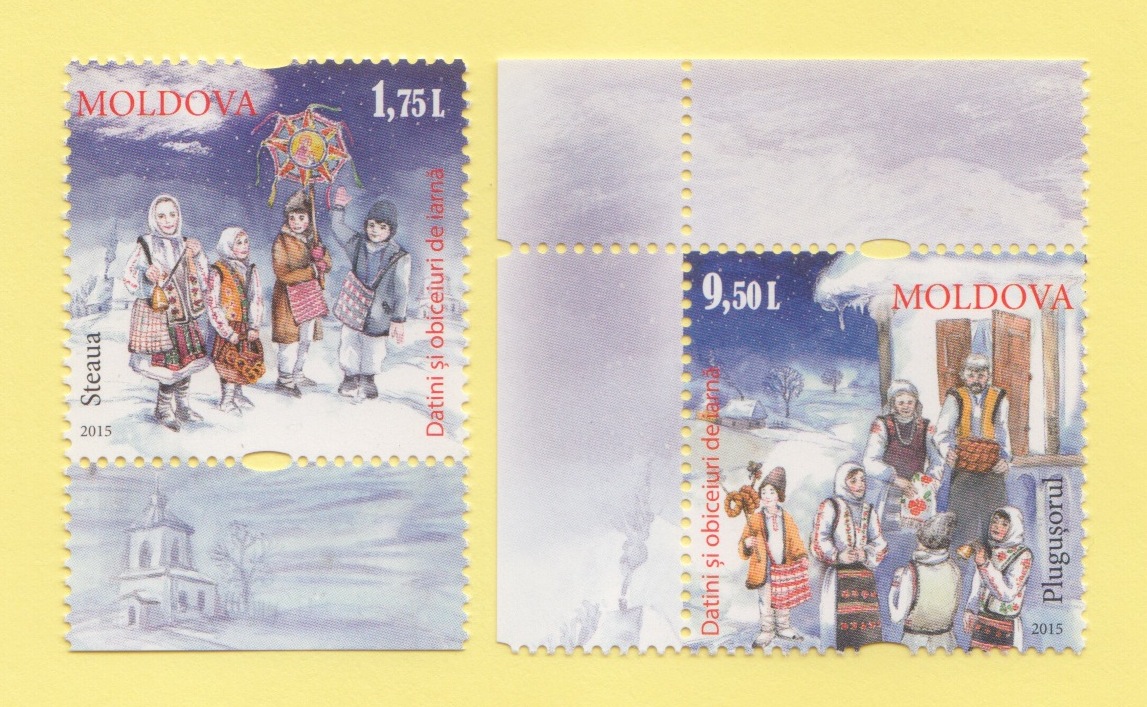
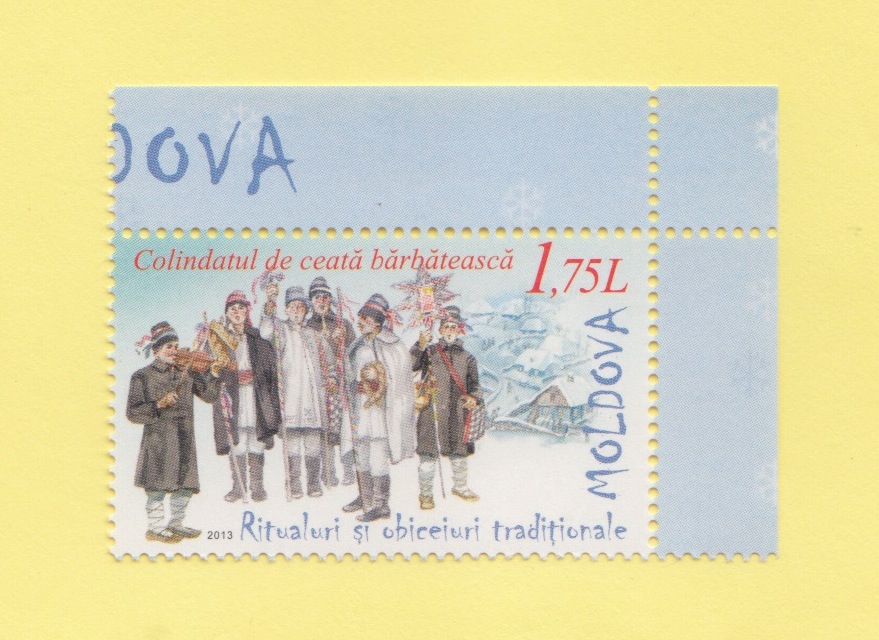
Men’s group Colindat, Christmas time ritual,
practiced in Romania and the Republic of Moldavia, was inscribed on the list of
the UNESCO Intangible Cultural Heritage on the occasion of the 8th session of
the Intergovernmental Committee for the Safeguarding of the Intangible Cultural
Heritage that took place in Baku, Azerbaidjan, in March 2013. This is an old
tradition characteristic of the Romanian culture. Its Latin origin was analysed
many times, being universally accepted. This ritual has accompanied the
Romanian people for centuries, guiding its life according to the laws of
popular ethics and aesthetics. It encompasses important values of the musical,
literary and choreography folklore, which have been retained through orality.














 Posts
Posts


